
Thursday, 25 December 2025
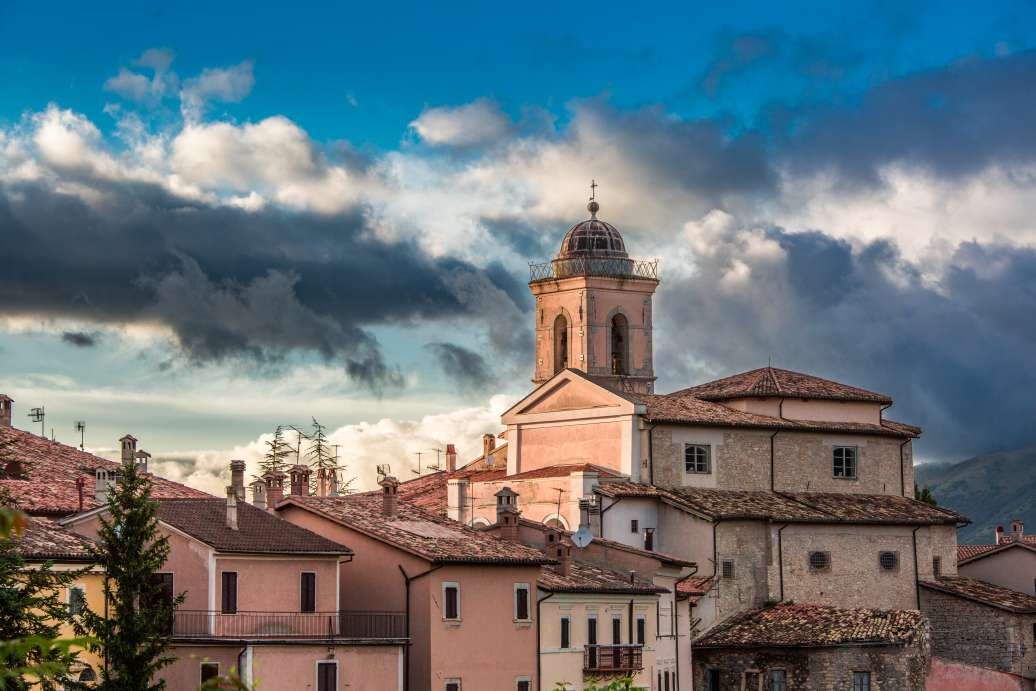
Best small towns in Italy to live for a month or more
Italy’s small towns offer an authentic lifestyle that major big city destinations simply cannot match. Living in places like Orvieto, Matera, or Lecce for extended periods gives you deep cultural immersion at a fraction of the cost of Rome or Milan. These charming destinations provide the perfect balance of history, community, and modern amenities for anyone seeking a genuine Italian experience. Tuscany, in particular, offers a quintessential ‘Dolce Vita’ lifestyle, attracting many expats for its culture and beauty. For those seeking a more cosmopolitan and career-driven environment, Milan offers city living with a high demand for job opportunities.
The best small towns in Italy to live for a month or more combine affordability with rich local culture and practical amenities. Remote workers, retirees, and adventure seekers are discovering that these hidden gems offer better value, stronger community connections, and a slower pace of life that makes every day feel like a mini-vacation. For budget-friendly living, Bari offers a laidback atmosphere with a low cost of living compared to northern Italy. Similarly, Palermo provides a low cost of living, with rent estimated at €650 for a decent apartment in a good part of town.
Benefits of small town living
Community life runs at its own easy pace in Italian villages. Locals welcome newcomers who show genuine interest in their traditions and culture. You’ll experience authentic Italian life rather than tourist-focused services. Many small towns in Italy like Perugia, Lucca, and Siena offer a blend of culture and local cuisine. Perugia, a smaller university town, is quieter than Bologna and offers a more tranquil living experience.
Tranquility comes naturally in these settings. Morning markets, afternoon siestas, and evening strolls become part of your daily rhythm. This slower pace reduces stress and improves overall well-being. Florence, a smaller city compared to Rome and Milan, makes it easier to navigate while still offering cultural and historical experiences. Bologna, often considered the foodie capital of Italy, adds to the charm with its renowned culinary scene.
Property prices in small villages are refreshingly low compared to major urban centers. Your money stretches much further in these communities. Living in Verona provides a local feel with historic charm and reasonable prices. In fact, the cost of living in Verona can be under €1,000 per month, making it an attractive option for those seeking affordability.
Best small towns in Italy to live for a month or more
1. Lucca (Tuscany)
Lucca is one of the most beloved Italian cities among Americans looking for peace, authenticity, and a relaxed lifestyle. Its Renaissance walls, perfect for cycling and morning walks, and its pedestrian-friendly historic center create an ideal atmosphere for a one-month stay. It’s a favorite among remote workers and anyone seeking a genuine Tuscan experience away from the crowds.
2. Bologna (Emilia-Romagna)
Bologna offers the perfect mix of culture, food, and livability. Known for its incredible cuisine and iconic porticoes, the city attracts Americans who want an authentic “local” Italian city with vibrant energy. With excellent train connections, a lively university district, and a welcoming historic center, it’s ideal for a medium-term stay.
3. Parma (Emilia-Romagna)
Elegant, safe, and famous for its world-renowned food (Parmigiano Reggiano and Parma ham), Parma is often ranked among Italy’s most livable cities. Americans choose it for its calm rhythm, high quality of services, and manageable size. It’s perfect for travelers who want comfort, beauty, and everyday Italian life.
4. Verona (Veneto)
Known as the city of Romeo and Juliet, Verona blends romance, culture, and exceptional livability. Americans love its walkable center, the iconic Arena, and its strategic location near Lake Garda. It’s a great choice for a month dedicated to art, food, and weekend nature escapes.
5. Siena (Tuscany)
Siena is a medieval treasure surrounded by the rolling Tuscan hills. Americans appreciate it for its slow pace, breathtaking architecture, and its perfect location for exploring the countryside. A month here feels deeply authentic, ideal for those wanting to disconnect and savor a quieter Italian lifestyle.
6. Lecce (Puglia)
Often called the “Florence of the South,” Lecce is increasingly popular among American travelers thanks to its stunning Baroque architecture, warm climate, and proximity to some of Italy’s best beaches. With a lower cost of living compared to the north, Lecce is a fantastic option for a month-long stay blending culture and coastline.
7. Turin (Piedmont)
Turin is elegant, organized, and full of history, yet far less touristy than other major Italian cities. Americans appreciate its grand cafés, world-class museums, leafy parks, and views of the Alps. It’s also the best base for exploring the Langhe wine region, alpine villages, and scenic lakes. A great choice for those wanting a refined but local Italian experience.
Legal and immigration insights
Visa requirements for non-EU citizens
American travelers and other non-EU citizens can visit Italy for up to 90 days without a visa. This tourist allowance covers most extended stay plans for just a month or slightly longer periods. However, specific activities like work or study may require different permissions.
The Schengen Agreement allows movement between 25 European countries during your 90-day period. Time spent in France or Spain counts toward your Italian allocation. Planning becomes crucial for longer European adventures.
Understanding the 90/180-day rule
The Schengen rule permits 90 days within any 180-day period across member countries. After 90 days, you must leave the Schengen zone for 90 days before returning. This affects many digital nomads and long-term travelers.
Overstaying can result in entry bans and legal complications. Italian authorities take immigration compliance seriously. Professional legal advice helps avoid costly mistakes.
Converting short-term to long-term stays
Various pathways exist for extending Italian residence legally. Work visas, student permits, and investment programs offer different options. Each category has specific requirements and application procedures.
The Italian Investor visa attracts entrepreneurs and business owners. Self-employment permits serve freelancers and consultants. Marriage to Italian citizens creates additional residency opportunities.
Professional legal assistance
Business people entering Italy face complex regulatory requirements. Legal compliance protects against future complications and penalties. Professional guidance saves time and prevents costly errors.
Immigration law changes frequently and varies by individual circumstances. What works for one person may not apply to another situation. Personalized legal advice becomes invaluable for serious relocations.
Ready to move to Italy?
When choosing between different Italian cities and exploring the tiny village options in northern Tuscany, understanding the legal framework becomes crucial. Whether you prefer the historic old town areas of main cities or the charm of smaller communities across the Italian peninsula, legal preparation is essential. Many tourists eventually discover their perfect Italian home during extended visits.
Planning an extended stay in Italy involves important legal considerations that shouldn’t be overlooked. Whether you’re exploring visa options, considering Italian citizenship, or setting up a business, Aprigliano International Law Firm provides expert guidance for all your Italian legal needs.
Our experienced team specializes in Italian citizenship applications (by marriage, residence, or ancestry), immigration services, investor visas, and business incorporation. We help clients worldwide navigate Italy’s legal requirements with confidence and clarity.
Contact us today for personalized assistance with visas, residency permits, or citizenship applications. For jure sanguinis applications, start by filling out this eligibility form. Once we review your information, we’ll provide a full assessment and help you book a consultation. From there, we’ll walk you through every step—no guesswork, no wasted time.