
Tuesday, 03 March 2026
Documents needed for Italian citizenship by descent, CONE vs NARA explained
Italian citizenship by descent, known as jure sanguinis, is based on bloodline rather than place of birth. If your Italian ancestor did not renounce citizenship before the birth of the next generation, you may still be recognized as an Italian citizen today and later apply for an Italian passport.
One of the most important requirements in this process is proving that your ancestor never completed the naturalization process in another country before passing citizenship down the line. For applicants whose ancestor lived in the United States, this proof must come from official documents issued by US authorities.
Two key records are used for this purpose: the CONE letter and the NARA letter. Understanding CONE vs NARA, how each document is obtained, and when each is required is essential to building a complete and correct Italian citizenship application.
Why proof of non-existence of naturalization records is required?
Italian citizenship is considered continuous only if the ancestor remained an Italian citizen at the time their child was born. Under historical Italian law, once an Italian immigrant completed naturalization in another country, citizenship was automatically lost. If the ancestor naturalized before the next generation’s birth, the citizenship line is broken.
For this reason, Italian consulates and courts require proof of non-existence of naturalization records. This proof must show that no petition for naturalization, declaration, or certificate of citizenship was ever issued for the ancestor.
The evidence must come from recognized authorities such as USCIS, the National Archives, federal court repositories, county court offices, and census records. These documents are used to confirm that naturalization proceedings never occurred.
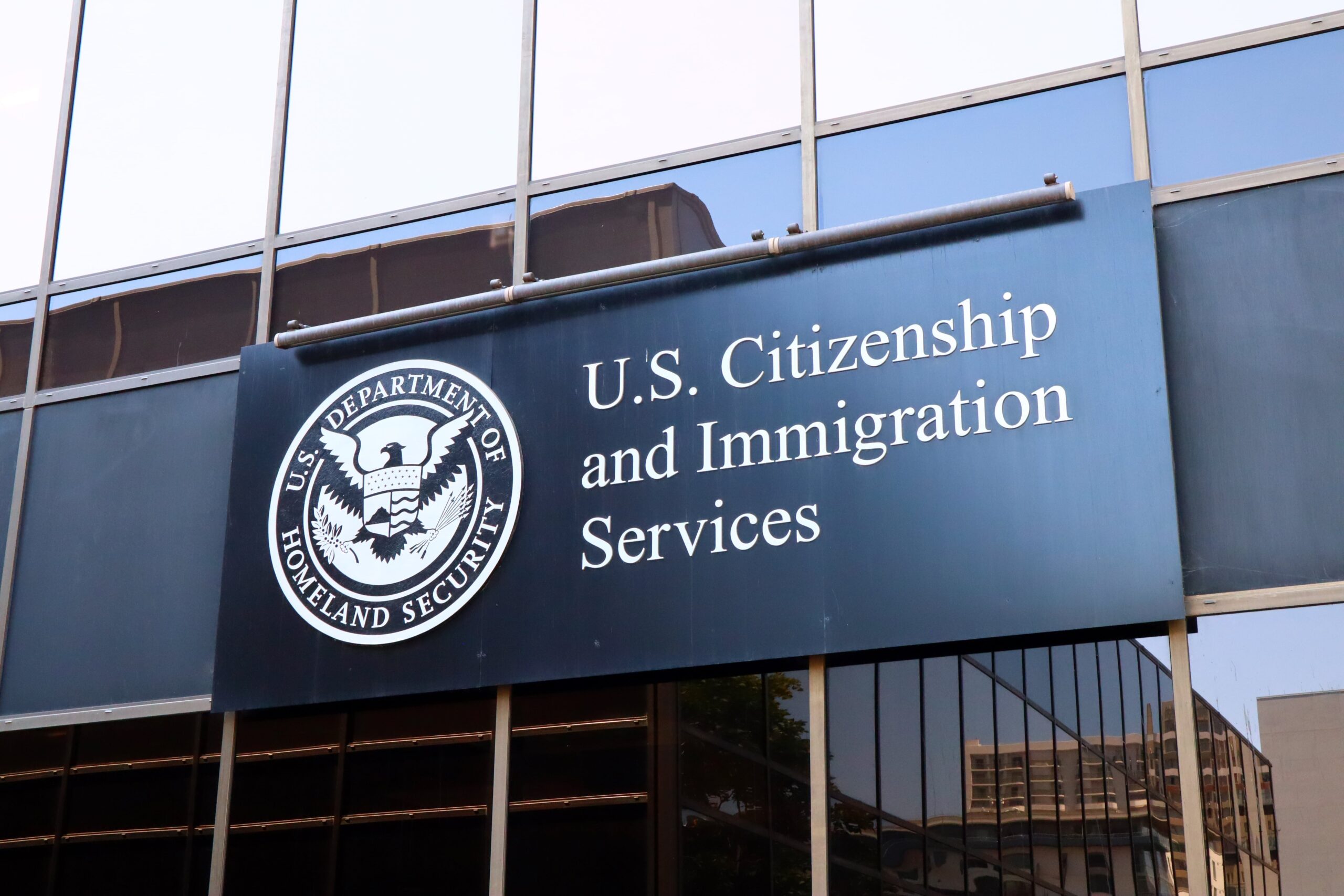
What is the CONE (Certification of Non-Existence of a Naturalization)?
The CONE, short for Certification of Non-Existence of a Naturalization (Certificato di Non Esistenza), is issued by USCIS, formerly known as the U.S. Citizenship and Immigration Services. This letter confirms that no naturalization record exists for the individual requested within USCIS databases.
The CONE is considered an official federal confirmation that your ancestor was never naturalized through the immigration and naturalization service. It is frequently required in judicial cases in Italy and by some consulates that demand proof directly from USCIS.
The CONE is issued as a formal letter, often bearing a gold seal or official certification, depending on the office issuing it. It confirms that a file does not exist for the person named in the request.
How to obtain the CONE negative search letter?
To obtain the CONE, the individual must submit a formal request to USCIS, usually through a form. The request form must include:
- The ancestor’s full name and known variants
- Date and place of birth
- Approximate date of immigration
- Country of origin
- Mailing address of the requester
- Any additional information that may help USCIS conduct accurate research
USCIS conducts a search across its records administration systems. If no record is found, USCIS issues a negative search letter confirming non-existence of a naturalization file.
Once obtained, the CONE must be translated, apostilled, and prepared for submission to the Italian consulate or court.
When the CONE is required if an ancestor naturalized or not
The CONE is especially important when there is uncertainty about whether an ancestor naturalized, or when census records show “alien” or conflicting citizenship status.
- When applying through Italian courts
- When NARA or county searches show no record but federal confirmation is still needed
The CONE is particularly relevant for ancestors whose naturalization, if it occurred, would have taken place after 1906.

What is the NARA letter and federal court naturalization record?
The NARA letter is issued by the National Archives and Records Administration. NARA is responsible for preserving historical records, including federal court and district court naturalization records.
Before 1906, naturalization proceedings were handled by local, county court, and federal court systems. NARA maintains these records, including petitions, declarations, certificates, and related court files.
A NARA letter confirms that no naturalization record was found within the specific index searched for the ancestor. You can obtain a certified copy of your ancestor’s “petition for naturalization” and “oath of allegiance”; these documents must be certified copies, bearing the red ribbon and gold seal of NARA. If no record is found, they should issue a letter stating it.
How does NARA staff conduct searches based on where the ancestor lived?
When submitting a request to NARA, the applicant must provide detailed information so NARA staff can conduct an accurate search. This includes:
- The ancestor’s full name and any variations in spelling
- Date and place of birth
- Approximate immigration year
- Known residence or state of settlement
NARA staff search district courts and federal court archives based on where the ancestor resided. The response letter will state that reference staff searched the applicable records and found no evidence of naturalization.
If no record exists, NARA issues a certified letter confirming non-existence. If a record is found, a certified copy may be obtained.
When Italian authorities accept NARA and county court searches?
- County court searches have already been completed
- Census records support non naturalization
In some cases, it could be requested both a NARA letter and a CONE to ensure that records were searched at both the court and immigration levels.
CONE vs NARA, key differences in federal and court searches
Although both documents serve the same goal, their scope differs:
- CONE confirms non existence of records held by USCIS
- NARA confirms non existence of records held by federal court and district court archives
Together, CONE vs NARA provide complete coverage of the naturalization process across immigration and court systems.
Naturalization evidence, first papers, and petitions for naturalization
If an ancestor began but did not complete naturalization, additional documentation may exist. These include:
- First papers, also known as declarations of intention
- A petition for naturalization that was never finalized
These records do not automatically mean citizenship was obtained. However, they must be disclosed and evaluated carefully.
Additional documentation and certified copies often requested
In addition to the CONE and NARA letters, Italian consulates or courts may request additional documentation such as:
- Census records showing the ancestor’s citizenship status (e.g., “AL” for alien, “NA” for naturalized).
- Certificate of Arrival from USCIS confirming the ancestor’s entry into the U.S.
- Local court searches confirm no naturalization record exists at the county or state level.
- Naturalization documents such as the declaration of intention, the petition for naturalization, and the certificate of citizenship if successful.
These documents help build a complete picture of the ancestor’s immigration history and support the claim of continuous Italian citizenship. The declaration of intention, often referred to as first papers, is a key part of the naturalization process and can provide valuable insights into the ancestor’s intent to become a U.S. citizen.
Recent updates affecting Italian citizenship applications (2025)
The March 28, 2025 decree introduced new rules for jure sanguinis applications. ARemote submissions are increasingly accepted, but Italian authorities still require apostilled and properly translated versions for final review. Some consulates now use digital verification systems to confirm document authenticity directly with U.S. agencies. Once approved, applicants can proceed with obtaining their Italian passport.
These updates aim to prevent fraud and standardize documentation requirements across consulates and courts. Applicants should check the latest requirements before filing to avoid delays.
Proving non naturalization through CONE and NARA
Understanding the difference between CONE and NARA allows applicants to provide strong and accurate proof of non naturalization. The CONE confirms that no record exists at the immigration level through USCIS, while the NARA letter confirms that no naturalization record exists within federal court archives.
Although the CONE is often treated as primary evidence of non-naturalization, the NARA letter remains a critical historical source, particularly for older cases. In many applications, using both documents together provides the clearest and most complete confirmation that the ancestor never became a citizen of another country.
Submitting properly issued, translated, and certified documents helps speed up recognition and reduces the risk of delays or rejection during consular or court review.

Legal support for Italian citizenship by descent applications
Aprigliano International Law Firm provides specialized legal services for Italian citizenship by descent, including assistance with CONE and NARA documentation, court filings, and consular procedures. Our team assists clients in Italy and abroad with jure sanguinis cases: maternal line cases, minor-age issue cases, cases affected by the new law, and re acquisition of citizenship.
Each case is reviewed individually to ensure the correct documents are requested, prepared, and submitted according to current legal and procedural requirements.
If you are preparing an application and need help determining which documents are required for your specific case, contact Aprigliano International Law Firm for tailored legal guidance.